Learn It Once.
Run It in Any AI Tool.
The pattern behind every AI assistant that actually works, in one hour.
Save My Free SeatFree. 60 minutes, kept tight on purpose. Live demos, no slides about slides. We stay on after for questions.
Both sides of the industry, on purpose
Every deliverable in life sciences crosses a line between the company that accepts the work and the company that produced it. We teach both sides, and this hour is built for both: the medical affairs director staring at Copilot, the ClinOps lead who has no time to experiment, the founder whose product serves pharma, the consultant whose deliverables now involve AI whether the client asked or not.
You do not need to be technical, and you do not need to be sold on AI. Hesitant, curious, or already experimenting, you belong in this hour. Bring your skepticism; it will be treated with respect, because we work in an industry where skepticism is a professional obligation.
We are not teaching this because AI is exciting. We are teaching it because somewhere downstream of every document in this industry, a patient is waiting on the evidence.
Two packets of real life sciences work, built in front of you
- Inside pharma: one public Phase 3 record becomes five study startup deliverables while you watch, and the job shape that makes it work is taught on the work itself, not on a slide
- Serving pharma: one vendor's offering becomes the five things it needs before a diligence call, narrated line by line by the person who used to sit in the buyer's chair
- Five timed minutes with your hands on the keyboard, running the same shape on a real task from your own week, in whatever tool your company gave you
- Both packets turned into assistants in front of you: the same four ingredients in Copilot, Claude and ChatGPT side by side, and the prompt that writes the instructions for yours. Learn it once and it is yours in every system your company ever deploys
- What to do when the output is mush (there is a fix, and it is not "try again"), and the one question that tells you exactly what AI should be doing in your role by Monday
We taught this hour for the first time on September 25 and rebuilt it around what that room asked for: more time on the work itself, the supplier side given its own packet, and the hands-on minutes protected.
An R&D leader at a global pharma put it to us last month: their company has Copilot everywhere, and the return so far rounds to nothing, because access was rolled out and method never was.
If that sounds like your building, nothing is wrong with your people. The licenses are bought. The town hall happened. And thousands of smart professionals have quietly concluded either that AI is overhyped or that they are behind. Neither is true. Nobody handed them the method, and the method is exactly the kind of thing that fits in a taught hour.
Why trust us with your hour
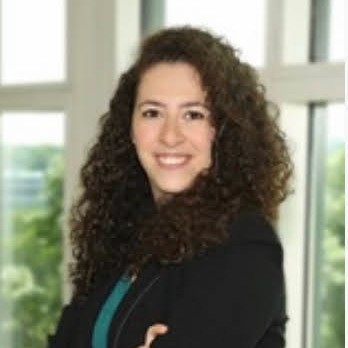
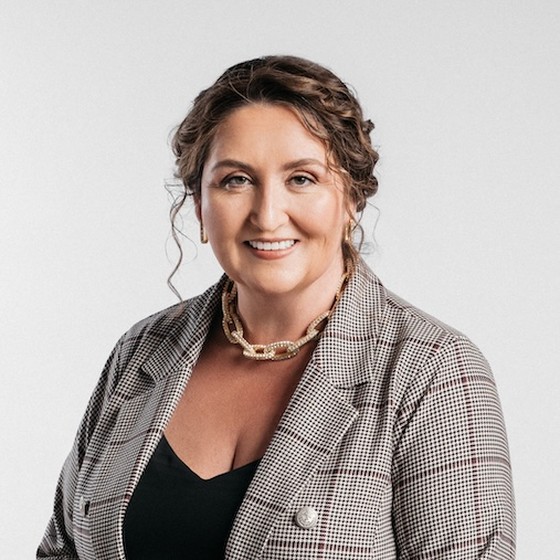
Here is why that history matters to you. We are not AI evangelists who wandered into life sciences. We are life sciences data people who became AI power users, and we carried the governance and compliance lens with us the whole way. When we show you a move, it has already survived the question "would this fly inside a regulated company," because we used to be the ones asking it. If you serve pharma, you get the insider's view of the buyer. If you are inside pharma, you get methods that respect your environment instead of pretending it does not exist.
Nothing leaves your environment, including your proprietary data
Everything we demonstrate runs in tools your company already approved, with the boundaries stated out loud, including what should never go into a prompt. No downloads, no workarounds, no "just use your personal account." That is not a disclaimer; it is the actual discipline we teach, because we spent our careers on the side of the industry that has to answer for the data.
The patients waiting on that evidence are us.
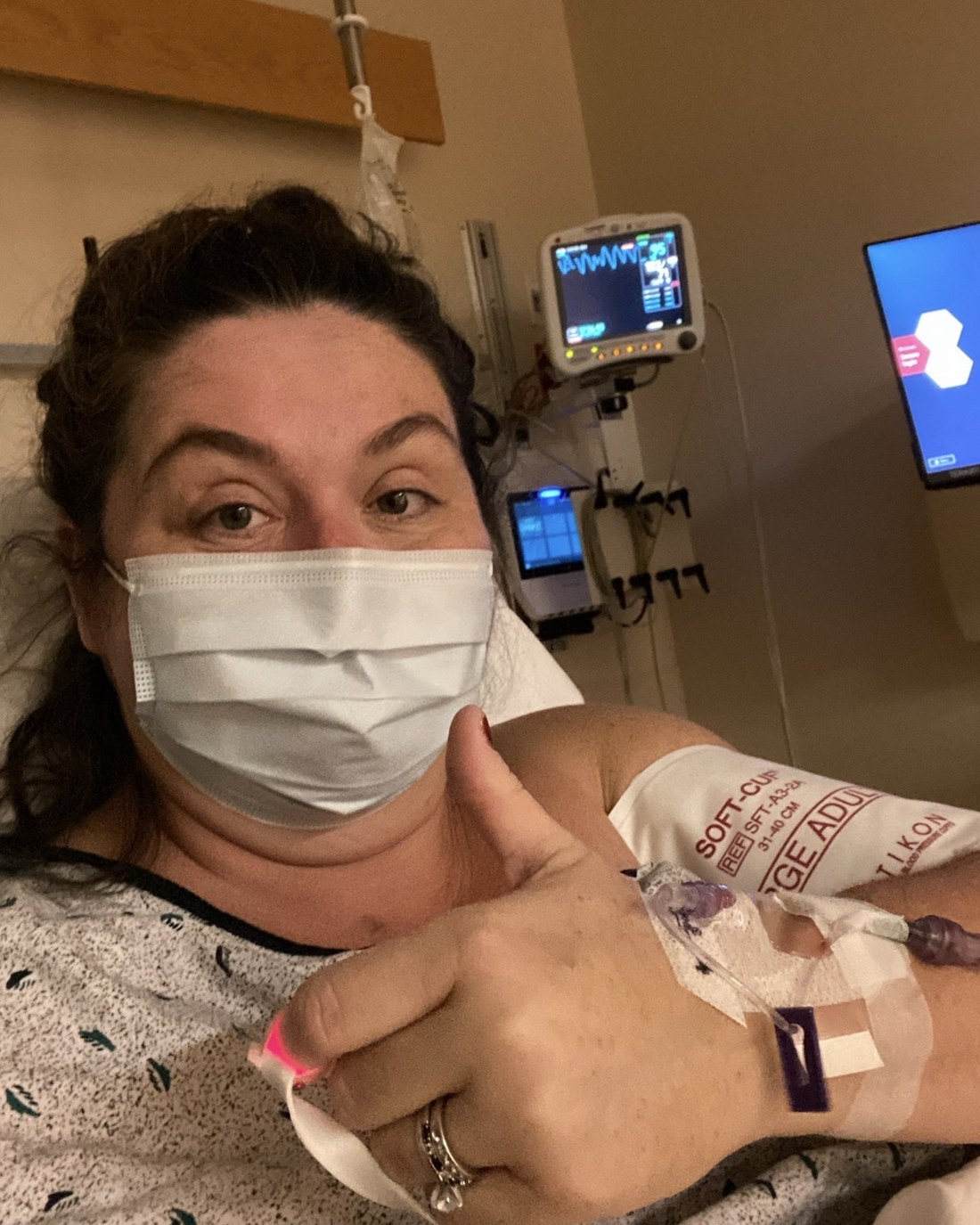
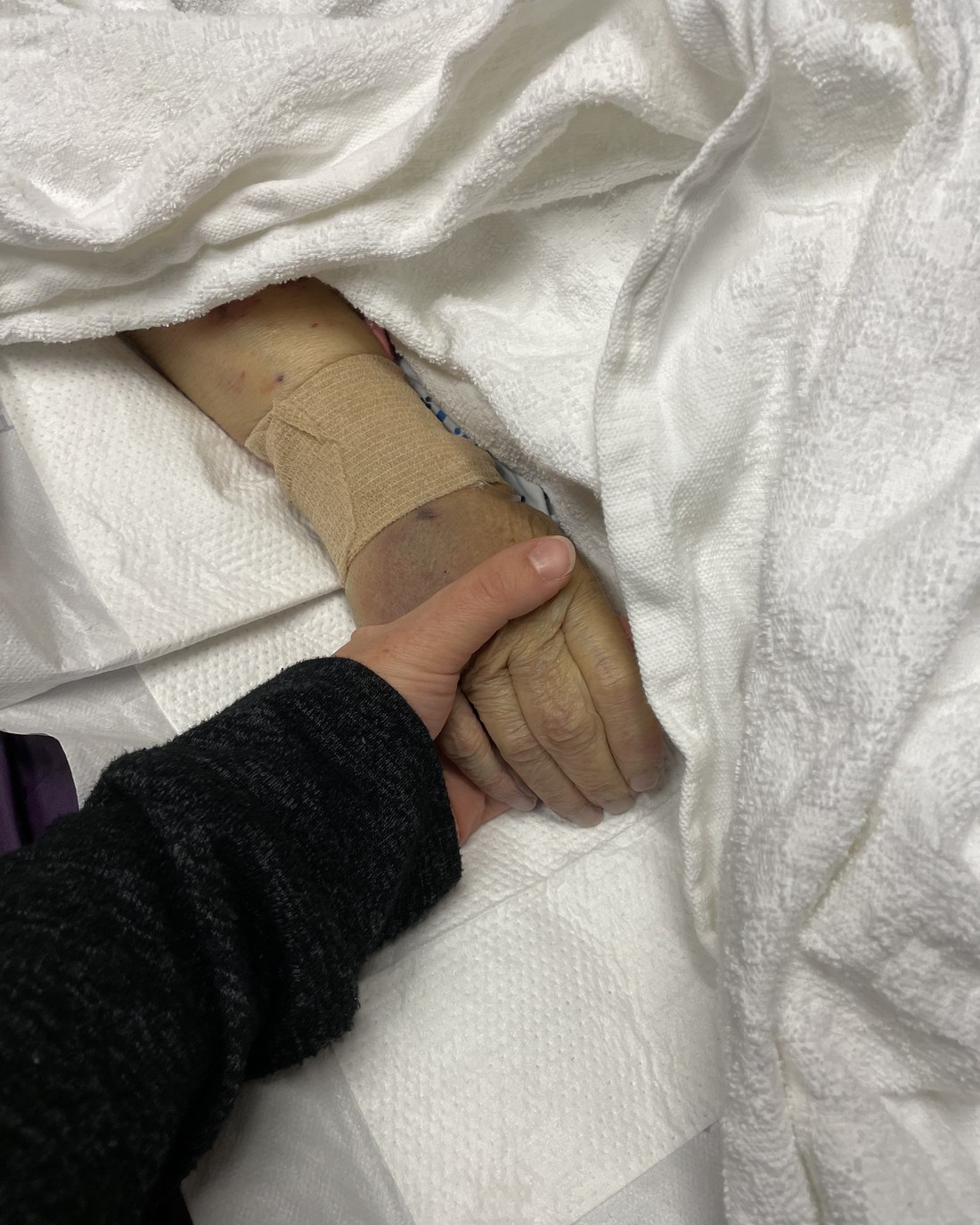
They are the person two desks over who went out on medical leave last spring. They are the parent whose scan comes back next Thursday. They are the sibling counting good days.
We work in life sciences because we want medicine to reach people. Every week a document sits unfinished is another week someone spends waiting for it. Getting good at these tools is how we hand that week back.
More birthdays. That is the whole business case.
One hour, then choose your side of the line
The masterclass ends where the deeper question begins: what AI demands of you depends on which side of the line you sit on. Two rooms follow.
Inside pharma?
Own the Work: The Sponsor Bootcamp · Friday, November 13, 9:00 to 12:00 ET
See the bootcampServing pharma?
Show Your Work: The Supplier Bootcamp · Friday, November 20, 9:00 to 12:00 ET
See the bootcampBoth bootcamps are $499 a seat, or $1,795 for a team of five, where every person gets their own login and builds their own work rather than watching over a colleague's shoulder.
Save your free seat
Add your name and work email below. The join link comes straight back to you, and so does the replay afterward whether or not you make it live.
Free, and no card at any point. We ask which AI tool you use so we can aim the demos at the room you are actually sitting in.
Questions, answered short
- Do I need to be technical?
- No. If you can write an email, you are equipped. This hour is for professionals, not programmers.
- Which tool should I have?
- Whatever your company gave you. We ask at registration so we can lean the demos toward the room.
- What if I cannot attend live?
- Come live if you possibly can; the hour is built around live questions. We do record this one, and everyone registered gets the replay link.
- Is this a sales pitch?
- It is a real class and we teach the whole hour. In the last ninety seconds we will show you how to go deeper on whichever side of the line you sit, inside pharma or serving it. Either way, you walk away with things you can implement Monday, and the hour stands on its own.